


This summer, unlike any other in the post-COVID-19 “new normal,” also brings changes to vacations. The difficulty of traveling to other countries and the strict health and safety regulations have led many people this year to enjoy the diverse geography and agriculture of the Iberian Peninsula. Furthermore, social distancing is a key factor, prompting most popular destinations to seek out less frequented alternatives where the risk of infection is lower.
At EDYPRO we propose three nearby destinations depending on where you live.
-The art of making wine in Ribera del Duero. The region's ancient inhabitants already asserted that this land was unique and therefore produced something unique. And so it has been and continues to be, as its history unfolds in tandem with the vineyard, the wine, and the fruit of the vines that define its landscape and the character of its people.
The unique climate of this region, with its intense cold, delays the budding of the vines. The abrupt temperature changes between summer days and nights create a balance in the fruit during ripening. And so, in autumn, grapes of magnificent quality are harvested.
From the Ribera del Duero Designation of Origin It is stipulated that the legally permitted production per hectare is 7,000 kilograms and grapes from larger plots cannot be used in the production of protected wines.
The grape varieties in this area that you will be able to see are Tempranillo, Cabernet-Sauvignon, Merlot, Malbec, Garnacha Tinta or Albillo Mayor.
And the most outstanding activities to carry out are visits to the wineries in the area such as the one of Villacreces Estate, With a unique landscape of vineyards and forest, and the Duero River flowing behind it, it is one of the wineries on the "Golden Mile of Ribera del Duero," as is, and unmissably, a visit to the Protos winery In Peñafiel, where wine tastings are also organized and there is a varietal garden. This winery, one of the most visited in the Ribera del Duero DO, combines tradition and innovation.
Its roof, visible from Peñafiel Castle, is a highlight, and it also houses a Wine Museum. Located 10 kilometers from Aranda de Duero, another important town in the area, is the Prado Rey winery where you can see all the technology applied to a winery to achieve quality wines that contrasts with the long history of this estate dating back to 1600 when the Duke of Lerma began agricultural and livestock activity.
–Cycle tourism and gastronomic tourism in the municipalities of l'horta de Valencia. This summer, escaping the urban centers is also important. So, EDYPRO suggests a cycling route through the towns of Alfara del Patriarca, Bonrepòs Miraball, Foios, Vinalesa, Albalat del Sorells, Almàssera and Meliana early in the morning to conclude in some of the establishments of Gastronomic product club. This club is made up of Ca Pepico, El Racó, Ca Xoret, El Celler de Jadelu, Lluna de València and the Barraca de Toni Montoliu. These restaurants are ambassadors of local cuisine, using produce harvested in this area and high-quality, locally sourced agricultural products.
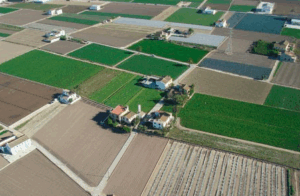
Among the cycling routes, the following stand out: Camins del Carraixet route, the via Churra (the route of the old railway), one of the busiest, or the Green Ring which runs through the metropolitan area of Valencia and connects with the sea in the northern part.
-Feel the land of the olive grove in Baeza (Jaén). Jaén is the province in the Iberian Peninsula that produces the most olive oil It produces worldwide with 60 million olive trees.. And therefore the best area to learn firsthand how olive oil is made, and all the culture that exists around it, its harvesting, pressing and its gastronomy.
Our proposal begins with a visit to Museum of Olive Culture of the La Laguna Estate and other farmhouses. This Museum was created in 1997 and takes its name from the natural area of “La Laguna Grande”. Here the visitor can see all the Olive varieties from the Mediterranean basin in your Variety Garden. In addition, you can observe the operation of the old olive oil production systems, from treading and twisting to the arrival of the beam press or the tower press or Alhorí, a wheel and chain system.
But the most famous feature of this 18th-century building is its wine cellar, which is known as “the cathedral of oil” with Central European influences and a demonstration of the progress of Andalusian olive groves in the 19th century.
-Dehesa ham route in Extremadura. The Dehesa is one of the most unique ecosystems on the planet, where humans and nature coexist harmoniously. It is a model of sustainable development that remains highly relevant today. Its star is the Iberian pig, a native breed adapted to the environment that, over time, has developed the characteristics that make it special and distinct. In Extremadura and the province of Badajoz, you can enjoy this route comprised of 30 municipalities that revolve around this culture, such as Jerez de los Caballeros, Monesterio, Fregenal de la Sierra, and Higuera la Real.
Jerez de los Caballeros is a Templar city steeped in history and the birthplace of Núñez de Balboa and Hernando de Soto. Its fortress and the Bloody Tower are prominent landmarks, and there are also places to savor the exquisite local cuisine.
In this area, you can discover the Dehesa, a unique and singular landscape with a million hectares of land filled with holm oaks and cork oaks, the food of the Iberian pig. And you can learn how they live and are raised.
You can also visit a ham drying facility or learn about the Iberian Pig Interpretation Centre of Higuera la Real or visit the Iberian Pig Museum of Monesterio.
-Agritourism among fruit trees in Zaragoza. Another option is to visit one of the richest fruit-growing areas of the Iberian Peninsula. Here you can enjoy an agro-experience among the orchards. The area offers numerous rural accommodations where you can pick your own fruit and make jam for the winter, such as the "Entrefrutales" rural guesthouse. Or you could explore the rich medieval culture of the "Aragonese Tuscany" in the Matarraña region and visit the towns of Beceite, Calaceite and Valderrobres.

