

PROBLEM
Calcium is one of the most important nutrients because it is found throughout the plant and is essential for its proper development and stability.
It promotes cell elongation, strengthens cell structures, and protects the plant from disease and extreme temperature stress. It plays an important role in the utilization of other nutrients, thus affecting the final quality of the plant and its fruit, and consequently, the final harvest.
In intensively grown vegetables (tomato, pepper, eggplant, zucchini and cucumber), calcium deficiency is difficult to manage and poses a problem in vegetable production due to the fruit tip rot caused by this deficiency.
Calcium mobility in plants is limited, and calcium deficiency appears in the youngest leaves and fruit, which have a very low transpiration rate. Therefore, a sufficient supply of calcium is necessary for continued growth.
Calcium deficiency can be due to different reasons: lack of assimilable calcium in the soil, low level of inputs or lack of assimilation by the plant.
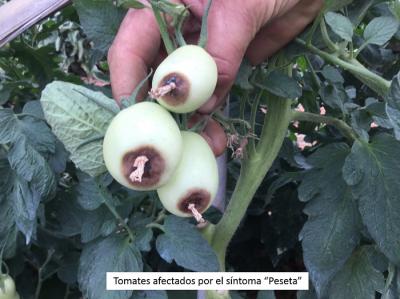
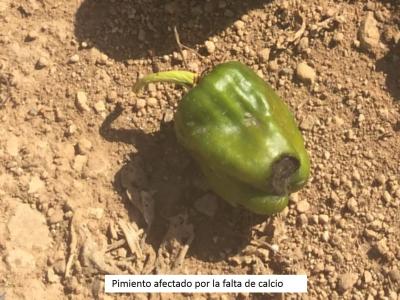
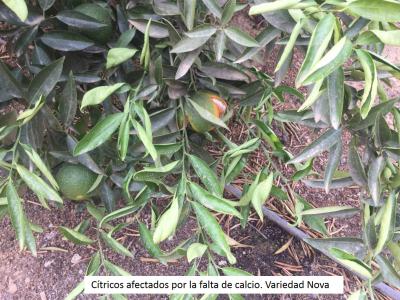
Below are images of tomatoes, peppers, and citrus fruits affected by the "Peseta" symptom, caused by a localized calcium deficiency in the fruit tissues, which can lead to internal rot.
SOLUTION
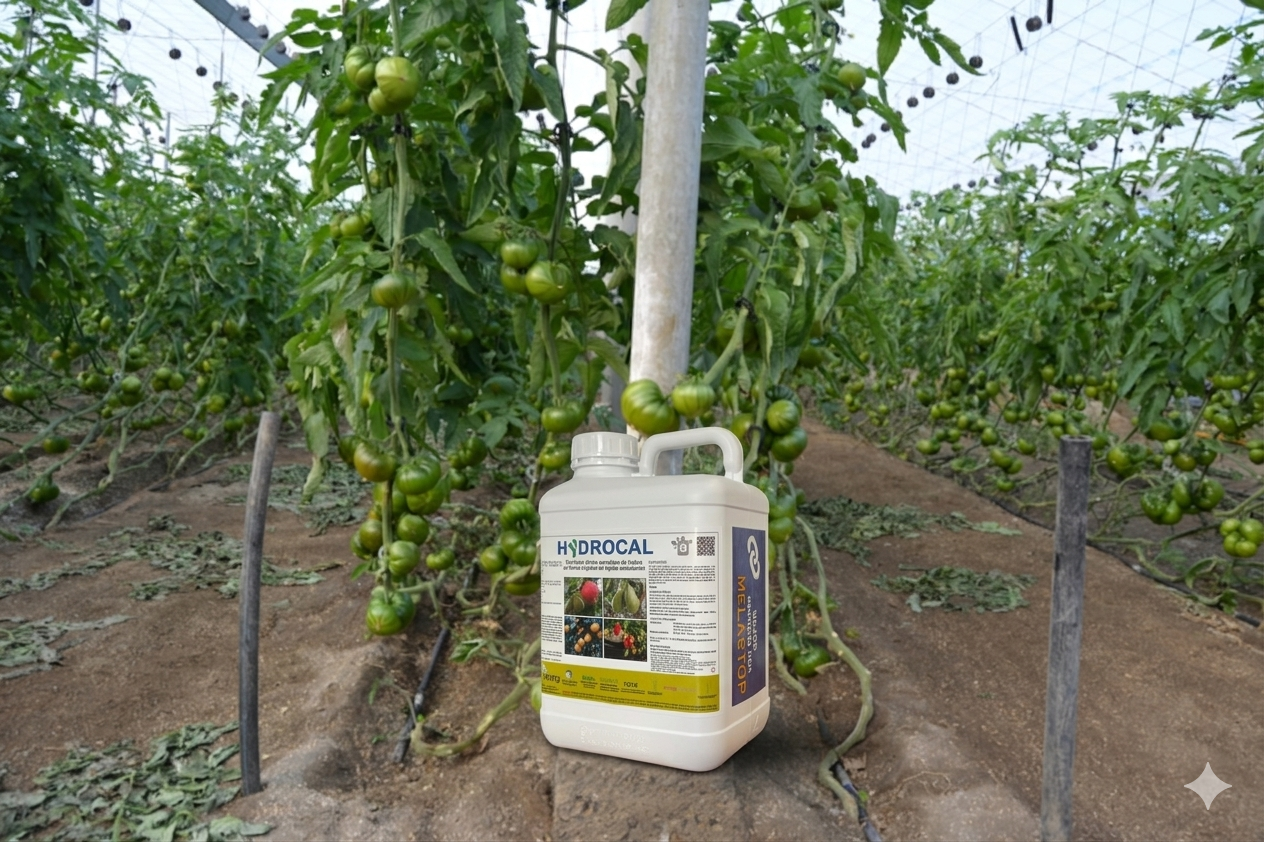
HYDROCAL It is a rapidly absorbed calcium deficiency corrector, highly valued by farmers who apply it to their crops. It displaces toxic salts from the soil accumulated by irrigation water and the application of some fertilizers, and increases the firmness and color of the fruit during the ripening phase.
In vegetables deficient in this micro-element, EDYPRO is recommending the application of COUPÉ REGENERATION Plus First, a dose of 60-80 L./ha. and by application subsequently, HYDROCAL via irrigation at a dose of 20 L./ha., every 15 days.
Likewise, the applications and doses depend on the exact situation of the calcium deficiency.